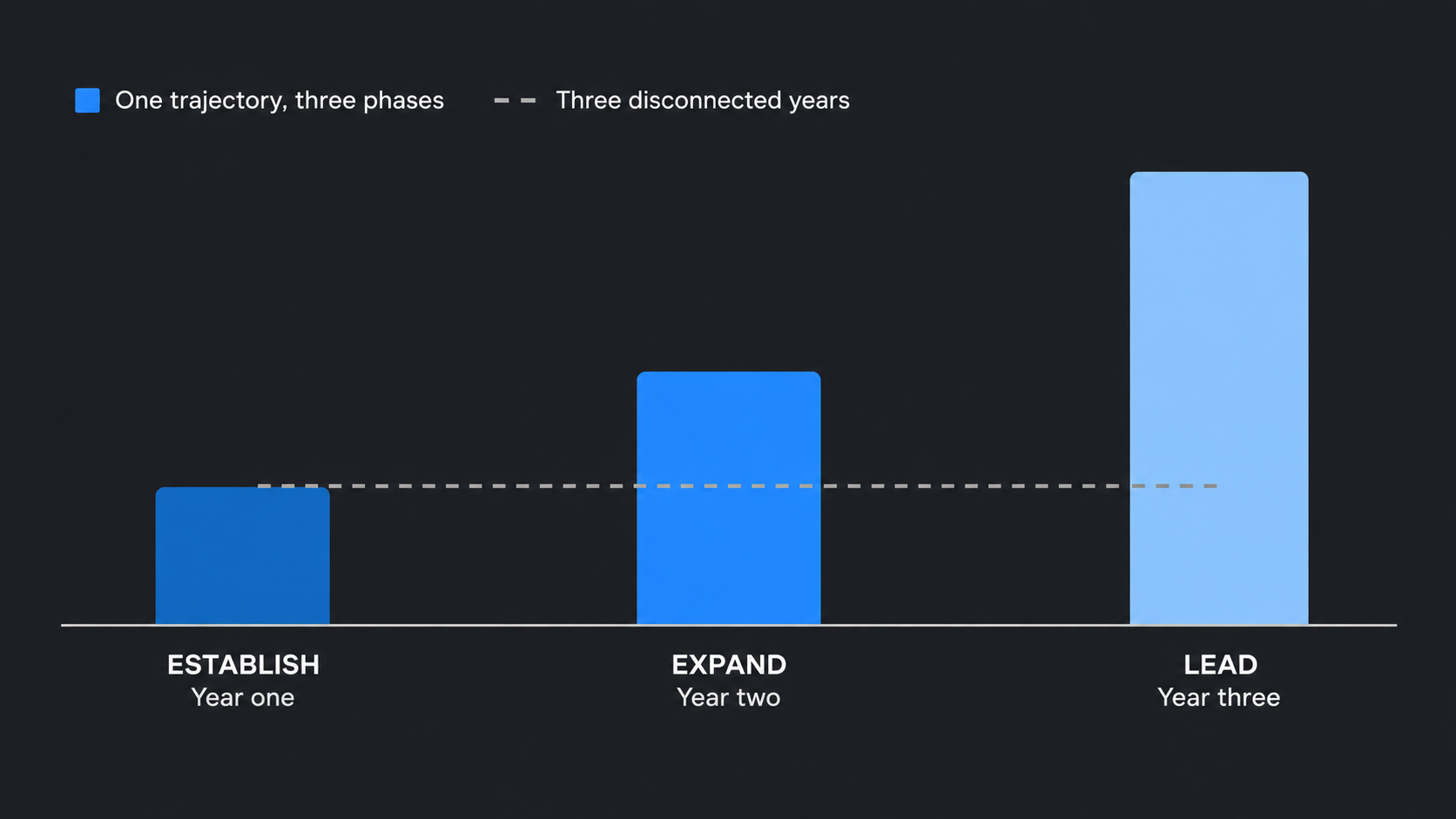
Establish, Expand, Lead: A Brand Framework For Legacy Building
Someone is sitting in the shade today because someone planted a tree a long time ago.
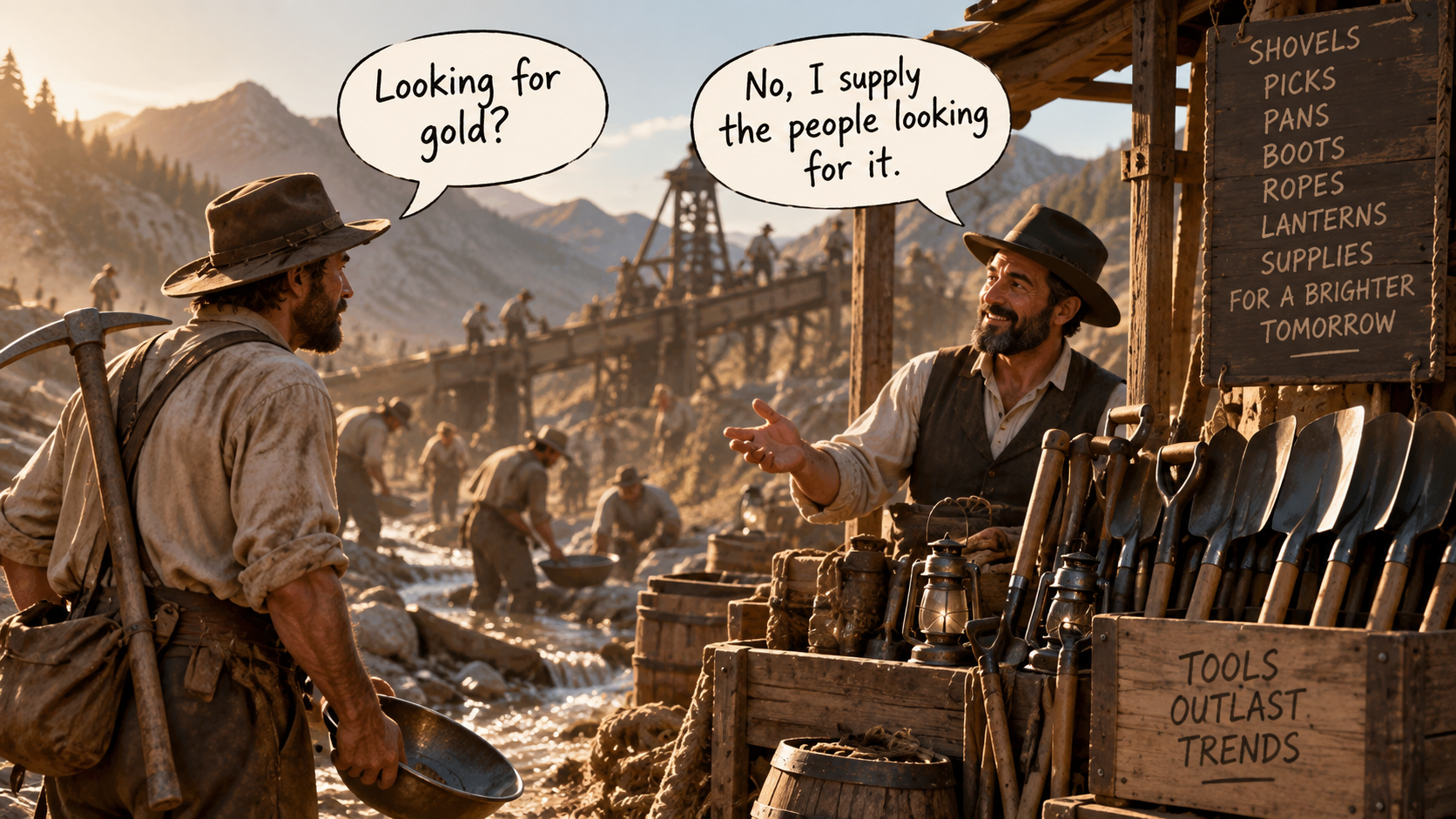
All that is gold does not glitter
Everyone walking a show floor with a lanyard and a target has had this conversation.

Evil Twin Theory: what is the other, identical you doing right now?
Somewhere out there is an evil version of you. Same skills, same contacts, same start in life. A twisty moustache, better lighting, plus one advantage you don't have: they are not embarrassed about any of it.
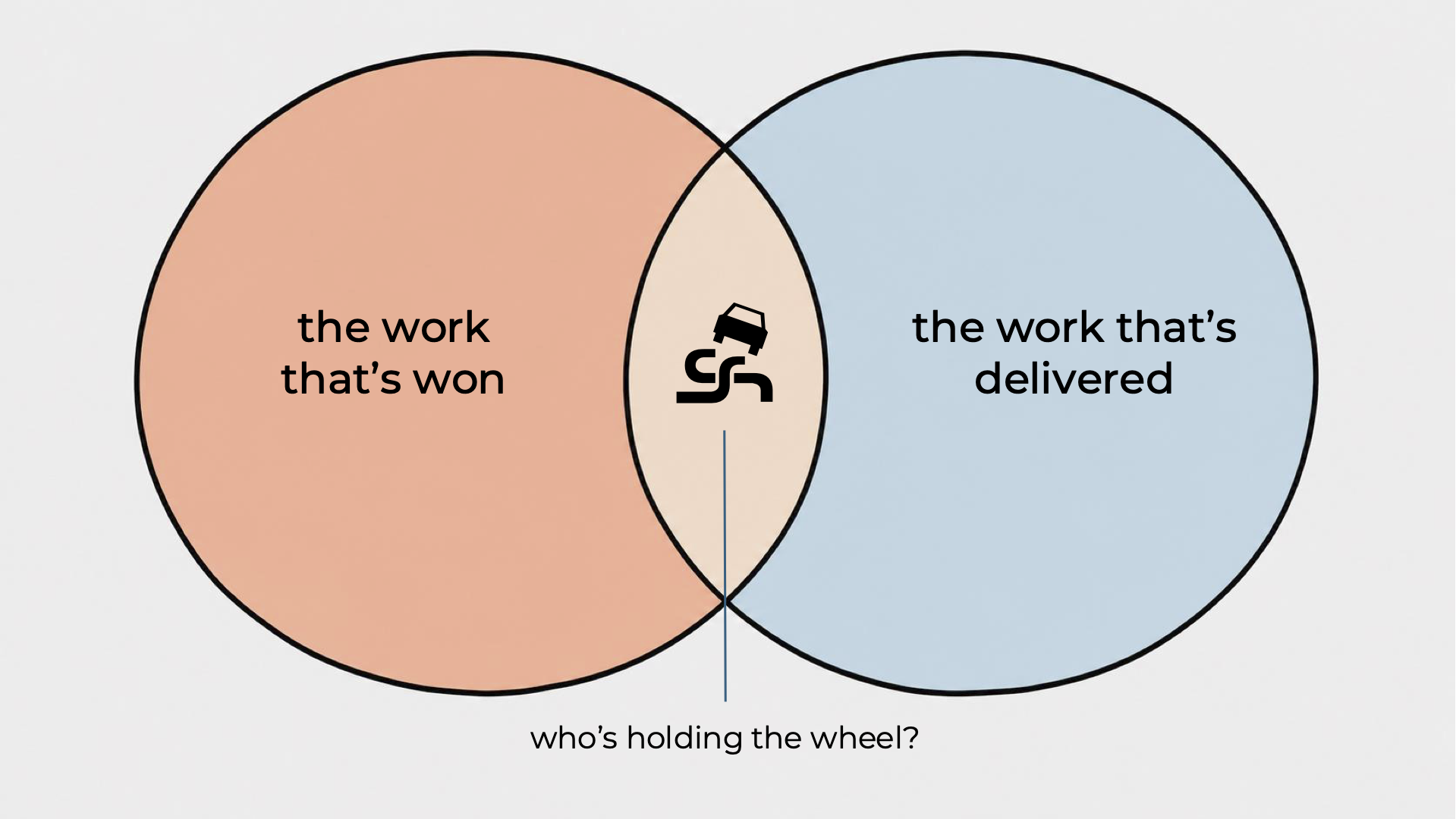
Managing drift in the award to delivery gap
Everybody debriefs the pitch. Almost nobody debriefs the proposal.
Exceptional creative output needs exceptional creative input
The people who consistently produce the most interesting work aren’t just sitting around waiting for it to arrive. They have filled themselves with enough raw material that something eventually has to come out.
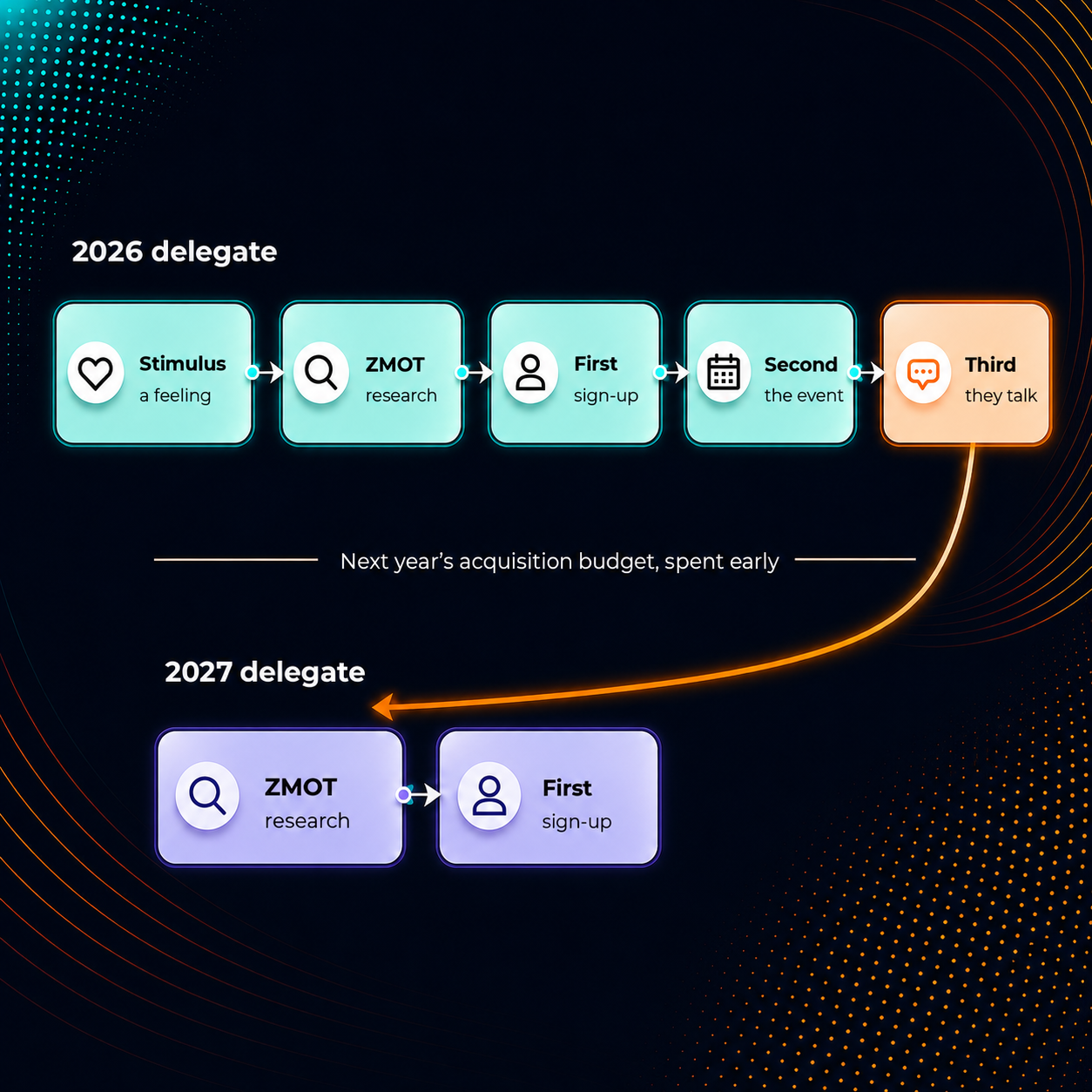
Moments of truth in experience design
Research on decision-making has suggested for decades that measurable brain activity precedes our conscious awareness of having chosen. The direction is uncomfortable and familiar: by the time we notice we are deciding, something has already begun.
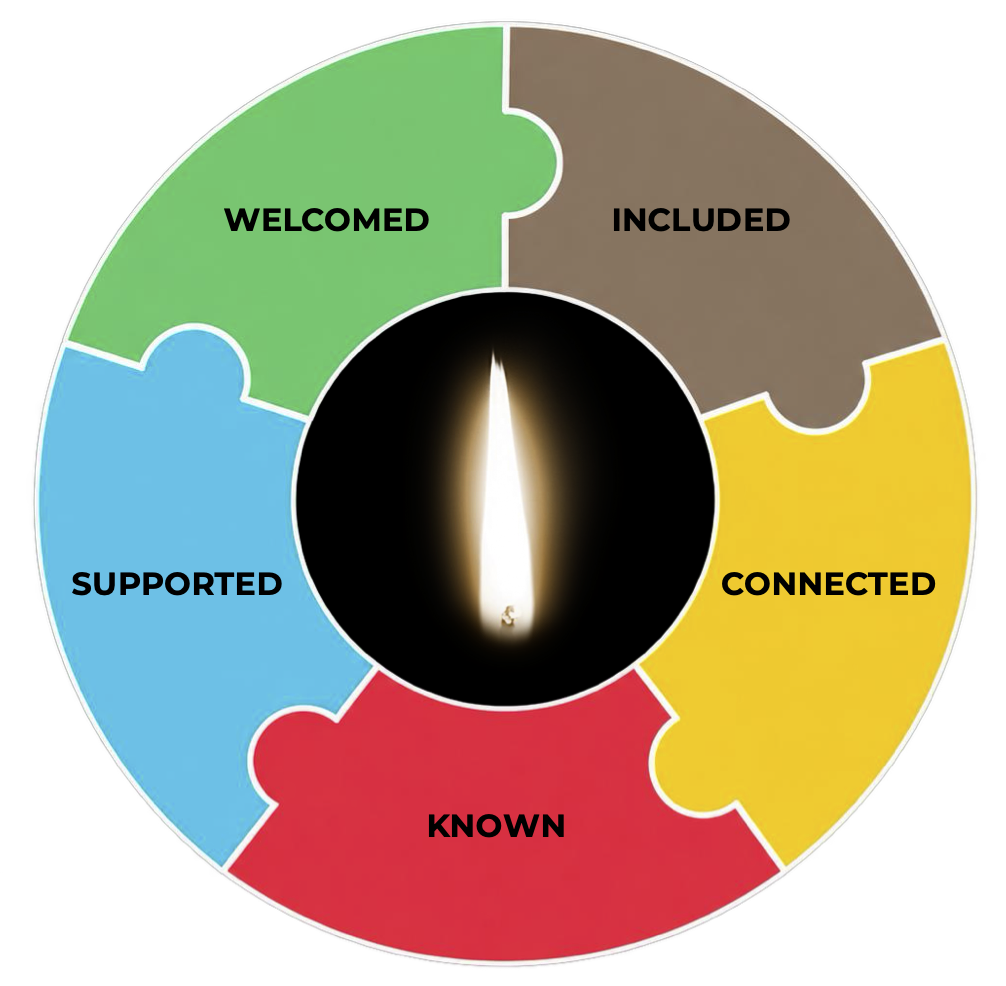
WICKS: The 5 pillars of belonging
People so often walk out of technically flawless experiences feeling nothing in particular, because something else is being measured that is rarely designed for.
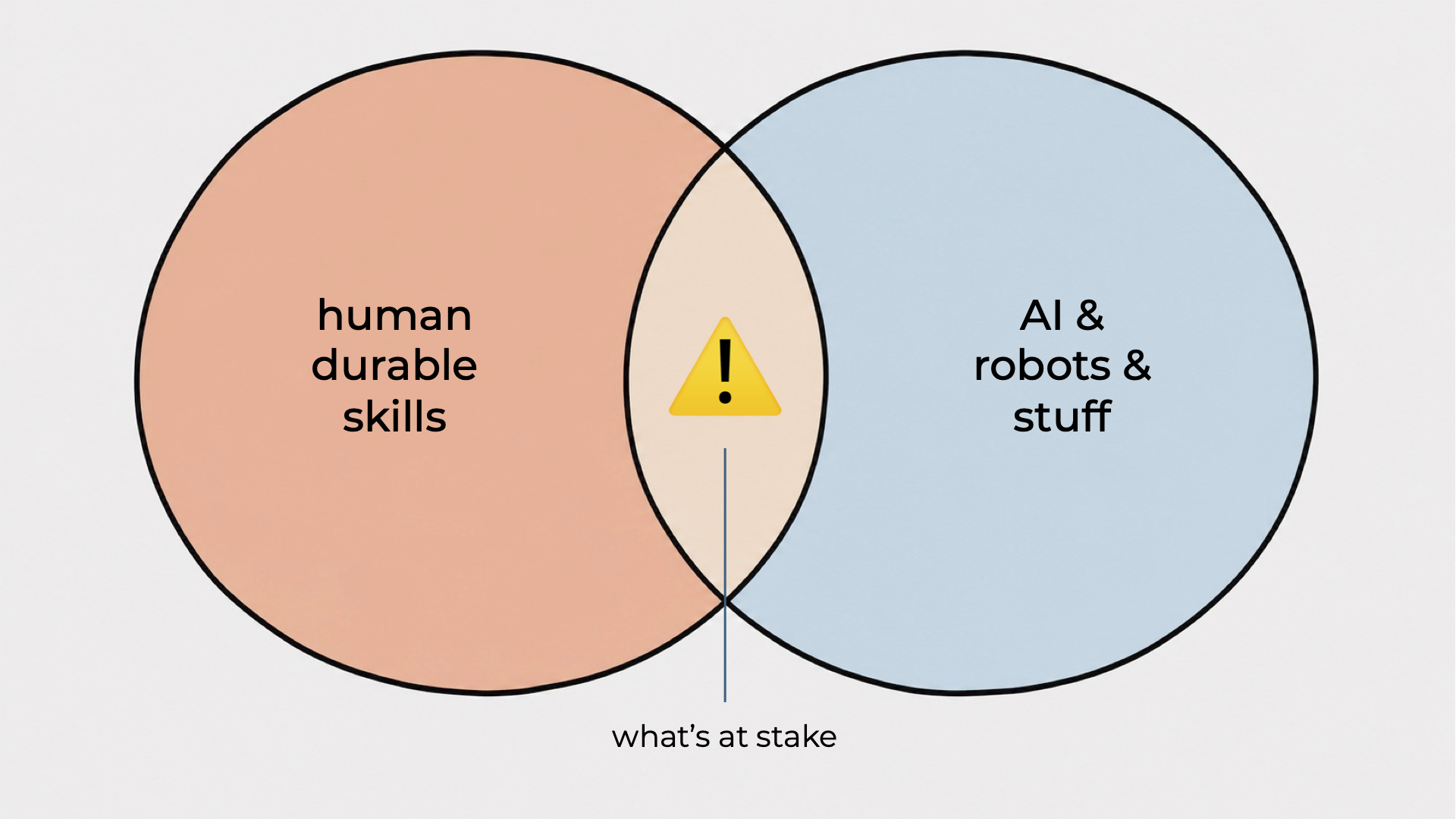
Would you still want to do your job if a machine could do it better?
Empathy sits at the top of every list of skills machines supposedly cannot touch. This isn’t wrong so much as temporary, defined by what AI can’t (yet) do. Which suggests we have been drawing the line in the wrong place: it’s never been about what we're capable of.
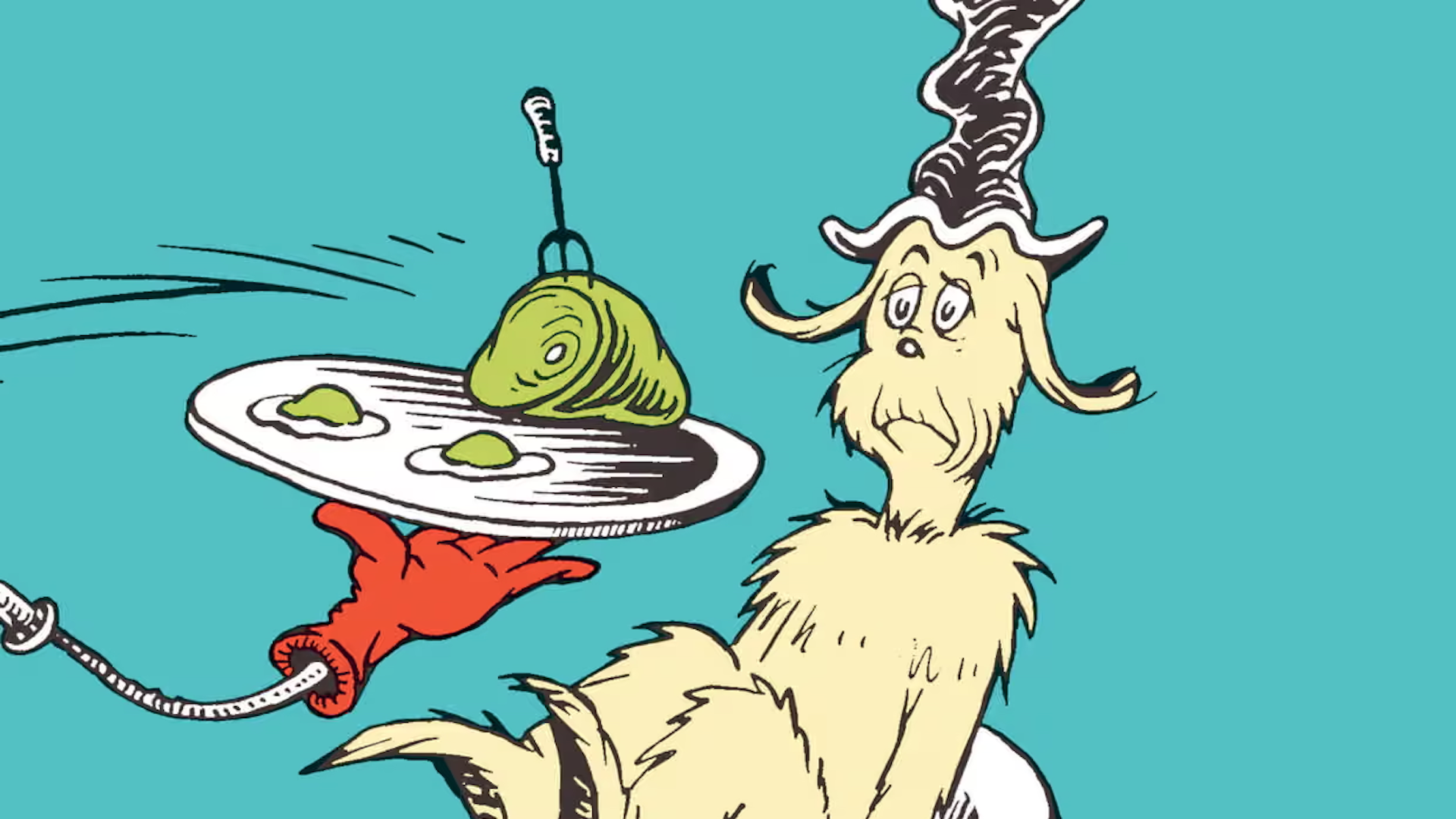
The Green Eggs and Ham effect
In 1960, publisher Bennett Cerf bet Dr Seuss fifty dollars that he could not write a children's book using only fifty distinct words.
How to write a brief
A brief is written from inside the business by someone who knows everything, then read from the outside by somebody who knows nothing.

AI didn’t create slop, humans scaled it
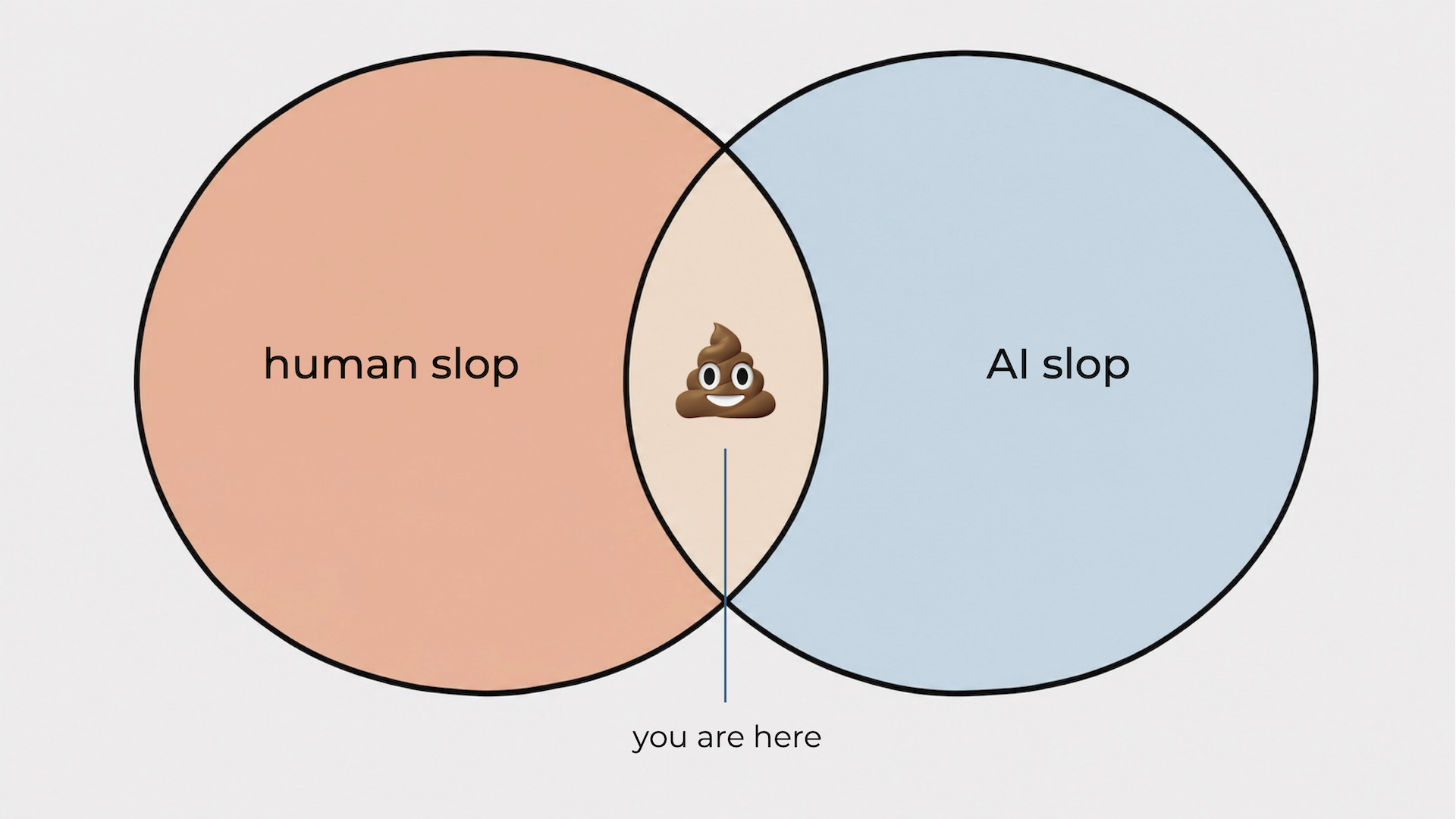
Creators who use AI well are the same folks who created well before it existed: clear thinkers who use these tools to amplify their expertise, as opposed to a substitute for it. The creators producing slop with AI are, overwhelmingly, the same folks who were producing slop without it.

The most important slide in your client presentation
The most important slide in any client presentation is the first slide the room sees right after the cover page.

What is experience?
Consciousness doesn’t exist inside the brain. The brain exists inside consciousness.

Strategic loglines in experience definition
When a massive killer shark unleashes chaos on a beach community, it's up to a local sheriff, a marine biologist and an old seafarer to hunt the beast down.

The red thread of brand experience
The red thread is the single idea that holds everything together. It’s the connective tissue between what a brand says, what it does and how it makes people feel at every point of contact.

AI is not a strategy
“AI-powered” has become the new “data-driven”. It sounds impressive, but it doesn’t actually mean anything.

The art of reduction
Michelangelo believed the sculpture was already complete within the marble block before he touched it. His job, as he described it, was simply to chisel away the material that did not belong. The statue was not built. It was revealed.

Reverse engineering F&B experience design
F&B spaces at most events are designed for just one thing: feeding people efficiently. But 58% of attendees say networking is their primary reason for being there.

Show your work
At school, we were all taught the same lesson: showing your work matters as much as getting the answer right.