Liminal spaces in experience
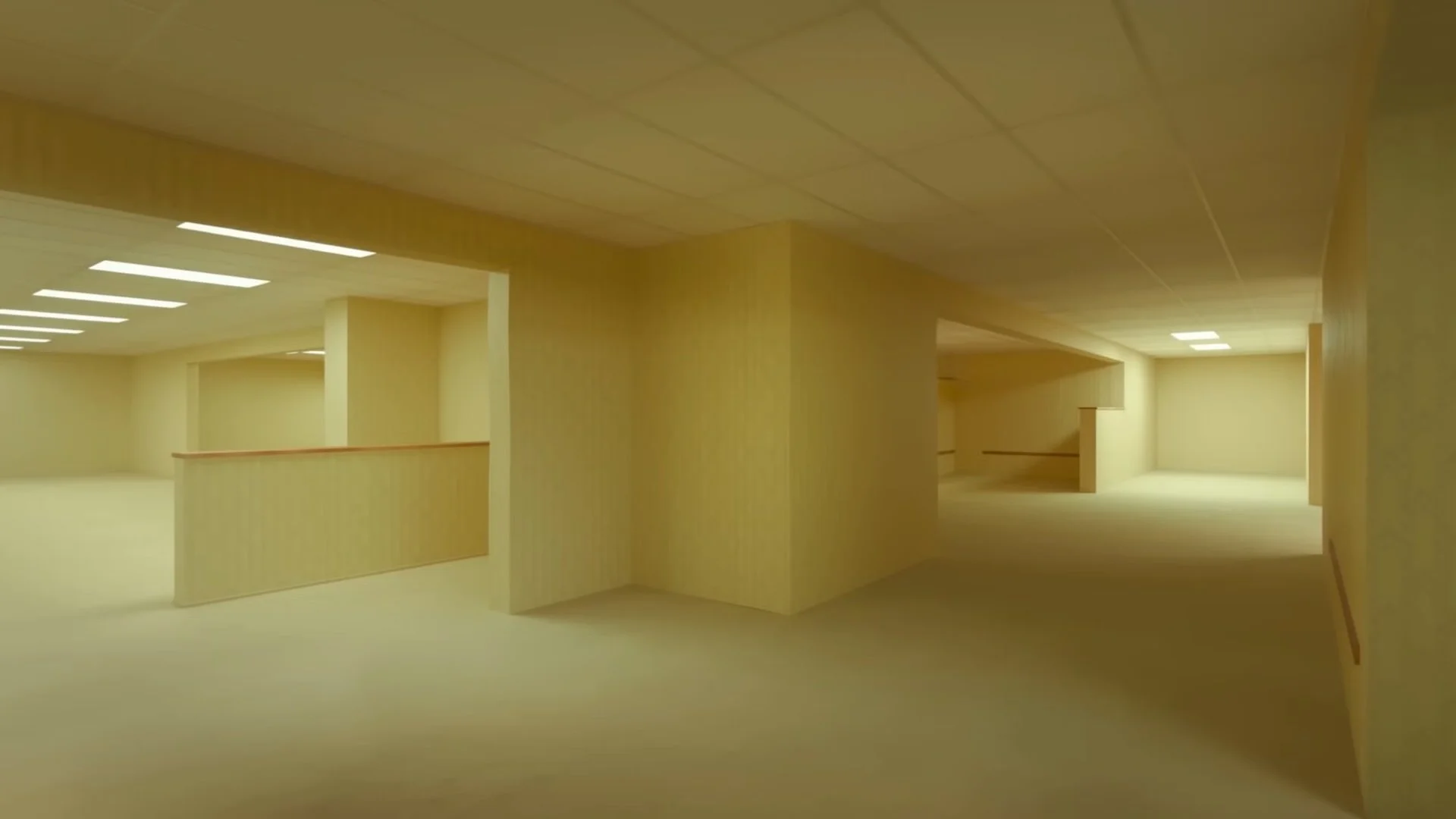
A24's Backrooms has opened to over $100 million on a $10 million budget. The film turns empty hallways, buzzing fluorescent lights and infinite yellow rooms into pure psychological horror. It works because liminal spaces unsettle us. They are familiar enough to recognise but wrong enough to make us uneasy.
I have been thinking about liminal spaces in experience for some time. Not the horror kind, but the moments at events and conferences where delegates find themselves in transitional, isolated spaces that feel oddly disconnected from the experience they signed up for.
You know these moments. Arriving early to a registration desk that is not quite set up yet. Sitting alone in an F&B area while everyone around you seems to already know each other. Walking a long corridor between sessions with nothing but signage and silence. Stepping outside for air and suddenly feeling like you have left the event entirely.
These are the uncanny valley of experience. The spaces between the spaces. Most event design treats them as functional: corridors move people, registration processes people, F&B feeds people. But delegates do not experience them functionally. They experience them emotionally. And when those transitional moments feel empty or purposeless, it colours the entire experience.
The best event strategies treat liminal moments as part of the narrative, not gaps in it. Every touchpoint, from the airport transfer to the final farewell, is an opportunity to immerse rather than isolate.
The Backrooms understood that empty spaces are not neutral. They carry psychological weight. Experience design should understand that too.